
You know what’s incredible? We’re now able to glimpse into Australia’s energy future before it even unfolds. How? Credit goes toAI energy prediction!
Withsmart energy analytics and machine learning electricitymodels, we’re finally equipped to detect demand surges, manage supply efficiently, and avoid those unexpected billing surprises – before they even show up.
Picture it like a weather forecast – but for electricity. Here’s the kicker: it’s not just some futuristic concept! It’s NOW – and it’s making a real difference for businesses, households, and policymakers alike.
Interested in learning in learning how it works? Let’s now simplify it together.
A Quick Summary
AI energy prediction relies on AI and smart energy analytics to project electricity usage with exceptional accuracy. By combining data from real-time grid conditions, smart meters, and weather patterns, these platforms can help minimize waste, boost renewable integration, and slash costs.
Key takeaway – The energy future of Australia will be redefined by data-backed decision-making, where machine learning electricity models have a central role to play in keeping demand, supply, and pricing in balance.
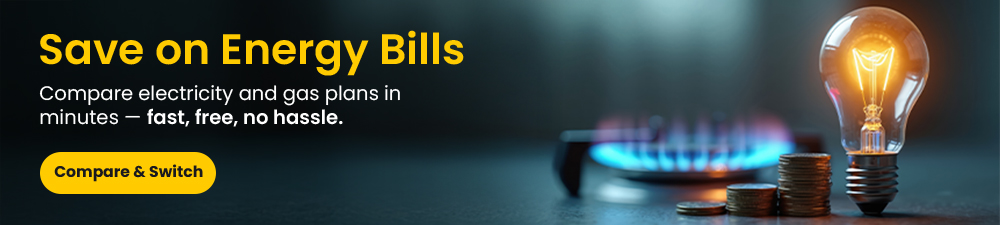
What is AI Energy Prediction? Why is It Important for Australia?
AI energy prediction is the use of cutting-edge algorithms to thoroughly analyze past and real-time electricity usage data, spot trends, and forecast future needs and supply.
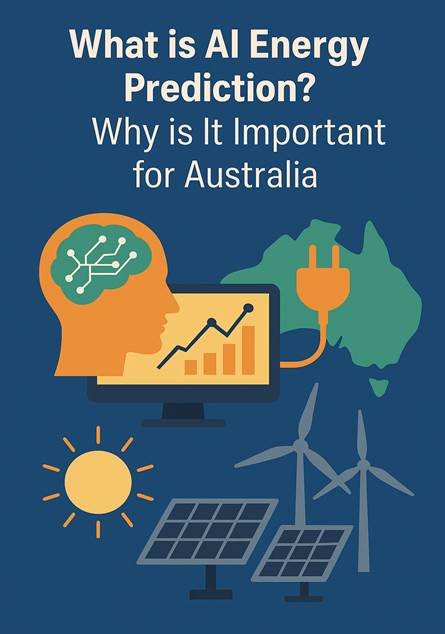
In Australia, this has significant impact in –
- Lowering price fluctuations in wholesale electricity markets.
- Balancing renewables such as solar and wind with network stability.
- Cutting residential bills by streamlining energy usage schedules.
Expert Take –
“The integration of AI in power prediction will be crucial as Australia shifts to renewables. Forecasting accuracy will directly influence cost and consistency,” – AEMO (Australian Energy Market Operator) analyst.
Why Now?
The NEM (National Electricity Market) is undergoing record renewable integration and fluctuating demand. Without AI-powered predictions, imbalances could lead to steeper bills or even blackouts.
How AI Utilises Data to Predict Energy Needs
In Australia’s evolving energy sector, data-driven intelligence is key to timely, streamlined, and precise electricity planning.
The Data Streams Behind AI Predictions
Machine learning electricity systems feed on varied data feeds that include the following –
- Historical demand patterns (daily, hourly, and seasonal).
- Weather forecasts impacting wind and solar output.
- Market price trends from bulk trading data.
- Consumer behavior trends from smart meters.
- Grid maintenance schedules that affect availability.
How Smart Energy Analytics Operates
Smart energy analytics systems take this data and handle it in these key steps –
| Step | Description | Example in Australia |
| Data Collection | Drawing from IoT-enabled smart meters, market data feeds, and sensors | Smart meter rollouts in NSW homes |
| Model Training | AI algorithms learn historical trends and anomalies | Predicting demand hikes during heatwaves |
| Forecasting & Action | Outputs are used for network stabilization and energy requirements response. | AEMO adjusting supply from renewable sources |
The aforementioned steps ensure real-time adaptability, letting energy providers act before demand surges cause any further issues.
Perks of AI Energy Prediction for Households and Businesses in Australia
From maximizing environmental sustainability to minimizing power bills, AI energy prediction provides tangible advantages for ordinary Australians and businesses alike. It not only changes how we use energy but also redefines how the national grid prepares for the future.
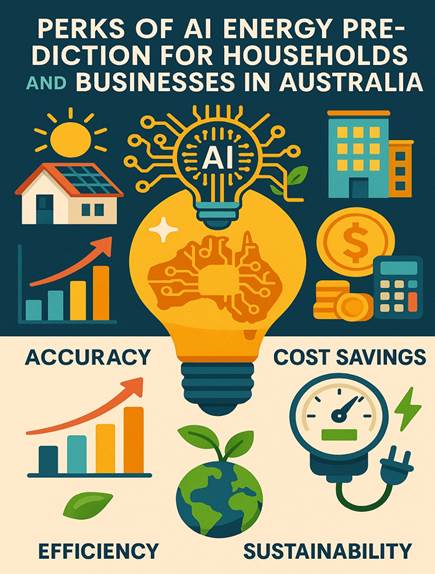
- Cost Savings and Efficiency
By anticipating high-demand intervals, AI energy prediction helps households and businesses move usage to off-peak hours, slashing bills.
Example – A production plant in Melbourne used AI-centric demand projection to relocate machinery operation to reduced-rate periods, bringing down annual expenses by up to 15%.
- Better Renewable Integration
With Australia’s increasing share of wind and solar, accurate forecasting makes sure that supply matches needs, even when the wind isn’t blowing or the sun isn’t shining!
- Supporting Grid Stability
Machine learning electricity methods identify anomalies early, avoiding blackouts and improving strength, especially during severe weather events.
AI Energy Prediction in Work – Case Studies
Across Australia, AI energy prediction is continuously delivering measurable results – from helping households slash their bills to supporting nationwide market stability. These real-life applications demonstrate how predictive intelligence is redefining the energy landscape at multiple levels.
- Residential Energy Optimization
Homeowners counting on smart energy analytics tools such as Amber Electric or Reposit Power gain immediate guidance on the best time to consume or save power.
- Large-Scale Energy Market Impact
The Australian Energy Market Operator employs AI models to forecast short-term and long-term energy needs, improving offer strategies in wholesale markets and lowering power cost trend fluctuations.
Some of the Key Challenges and Limitations
While AI energy predictionbrings significant potential to the table, it’s not without its obstacles. Keeping a close tab on these issues is critical to maintaining trust, accuracy, and long-term uptake across the energy industry of Australia.
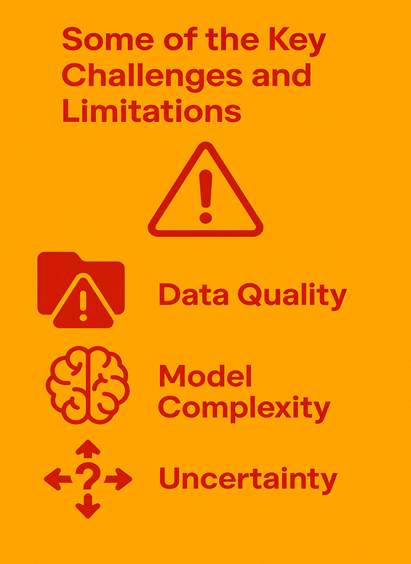
- Data Privacy Concerns
Smart meter data contains sensitive information – how it’s kept and used should adhere to strict privacy laws.
- Model Accuracy and Bias
AI models are only as effective as their training data. Faulty inputs can lead to weak forecasts.
- Infrastructure and Investment
Full-scale implementation needs enhancements to digital infrastructure, notably in regional Australia.
AI Energy Prediction: Propelling Australia’s Next Big Leap
As technology continues to thrive, AI energy prediction will get even more accessible, precise, and integrated into daily decision-making. The upcoming stage will focus on merging predictive intelligence with new energy innovations to optimize efficiency and sustainability.
The future looks extremely promising –
- Integration with blockchain technology for transparent energy trading.
- Peer-to-peer exchange optimized by AI.
- Real-time emissions impact monitoring for consumers.
Pro tip – In case you want to understand exactly how these innovations may impact your bills, look into our blog, “Will Energy Prices Rise or Fall in the Next 5 Years?”
FAQs on AI Energy Prediction
- Can artificial intelligence slash my energy bill?
Yes, of course! By figuring out off-peak times through market price data and real-time usage, AI can predict the cost-effective periods to run high-energy appliances. In Australia, this frequently results in moving use to late evenings or noon when solar generation is high and bulk prices drop.
- Is AI prediction effective just for big companies?
No. Even small households can majorly benefit through battery storage systems, smart home devices, and AI-powered applications that optimize appliance schedules. For instance, homeowners can heat water automatically or even charge EVs when tariffs are at their minimum, reducing yearly costs without hands-on monitoring.
- How reliable is AI forecasting?
Top models in Australia, such as those applied by the Australian Energy Market Operator, deliver over 90% reliability for near-term demand forecasts. This high exactness comes from combining machine learning electricity methods with weather data, past usage patterns, and real-time network conditions.
The Final Take
AI energy prediction is no longer “future tech” – it’s now! After all, it’s transforming the way Australians produce, trade, and consume electricity. With machine learning electricity tools and smart energy analytics, we can build a cost-effective, sustainable, and stable energy future. The final takeaway? Data is the new energy, and AI is the motor!
