
Did you realize the energy market of Australia is shifting gears fast – and the energy trading platforms are leading the charge? From real-time energy trade to electricity spot market’s high-stakes dynamics, these platforms are revolutionizing how energy is priced, accessed, and exchanged!
No longer exclusive to leading energy players, the energy trading ecosystem of Australia is unlocking smarter and faster power decisions. From retailers to informed consumers to generators, this tech-powered shakeup is redefining how energy flows nationwide. It won’t be an exaggeration to state the future isn’t on the horizon – it’s already on the move!

A Quick Summary
Ahead is a read that sheds light on how energy trading Australia is being transformed by the bleeding-edge, intelligent systems. Explore how real-time energy trade operates, the way the electricity spot market functions, and why these tools are important for the overall evolution of power distribution.
Key Takeaway – Tech-powered trading systems aren’t only efficient – they’re key to reducing costs, stabilizing supply, and enhancing renewable integration.
Energy Trading Australia Platforms – Core of Transformation
Intrigued about what energy trading Australia is all about? Continue to read to find out more –
- An Overview of the Concept
Energy trading platforms refer to robust, digital marketplaces where electricity can be sold and bought with ease and efficiency. In a country like Australia, these edgy platforms create a crucial part of the NEM (National Electricity Market) – connecting energy retailers, generators, and large prosumers and consumers.
Consider it as a stock exchange – but for energy.
- Sellers: Renewable farms, power plants, and battery storage operators
- Buyers: Large businesses, electricity retailers, or aggregators
- Marketplace: Driven by supply and demand dynamics, often through the electricity spot market.
These platforms are capable of supporting both –
- Wholesale trading (mainly between energy companies)
- Peer-to-peer trading (connecting smaller players, including individual households)
- Why This Makes a Difference for Australia
With a surge in rooftop solar installations and increasing adoption of renewable sources, the need for open, distributed trading systems is growing rapidly. Conventional infrastructure wasn’t built to support this scale of decentralized coordination – and this is where the importance of real-time energy trade steps in.
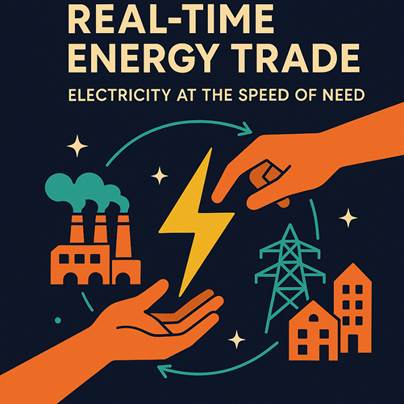
Real-Time Energy Trade: Electricity at the Speed of Need
It’s not just about instant energy exchanges – it’s about redefining how Australia balances demand, generation, and grid stability in real time.
- How Real-Time Energy Trade Works
Real-time energy trading lets participants sell and buy electricity in near-instantaneous timeframes – often in just 5-minute cycles, which is now the norm in Australia’s NEM.
This system counts on –
- Advanced forecasting tools
- Automated bidding software
- Smart meters and IoT devices
- AI-driven grid analytics
- Perks of Real-Time Trading
Here’s how real-time flexibility is becoming a game-changer –
| Benefit | Impact in Australia |
| Faster response to demand | Brings down blackouts and overloading risks |
| Better price transparency | Prices are closer to actual consumption |
| Incentive for renewables | Solar / wind producers can sell excess power |
| Lower operational costs | Optimized supply = less wastage |
| Empowered consumers | Households can participate through aggregators |
Expert Take – As per the AEMO (Australian Energy Market Operator), real-time trade facilitates more than 9 million transactions daily – ensuring grid reliability even during extreme weather events.
Let’s now explore the electricity spot market – the core engine of this system.
Behind the Scenes of the Electricity Spot Market
- What’s the Electricity Spot Market?
Theelectricity spot marketserves as the platform where electricity is traded for near-instant delivery. Rates fluctuate every 5 minutes based on real-time generation and demand. In Australia, the AEMO manages this trading platform, which spans across –
- NSW
- VIC
- QLD
- SA
- TAS
Price volatility is highly common, but this volatility might –
- Drive efficiency
- Reward flexible consumers and generators
- Promote energy innovation
Spot Market vs Extended Contracts
| Feature | Spot Market | Long-Term Contract |
| Pricing | Fluctuates every 5 minutes | Fixed or semi-fixed |
| Risk | Higher risk, higher reward | Lower risk, stable planning |
| Participation | Open to dynamic trading | Usually used by big retailers |
| Flexibility | Extremely high | Limited flexibility |
Businesses and consumers who can shift loads (for example, charge EVs at night) benefit from lower prices, especially during off-peak demand. Intrigued to learn how all this ties into the future? Let’s deep-dive in –
Why Energy Trading Australia Is Accelerating Now
The Market Forces at Play
The energy trading ecosystem of Australia is evolving because of –
- High solar penetration – More than 3 million homes now return energy to the grid.
- Battery adoption – Both home and utility-scale storage systems enable energy trading at optimal time windows.
- Digital transformation – Cutting-edge platforms including, Powerledger and Amber are expanding prosumer involvement.
- Policy shifts – Government commitment to carbon neutrality is driving intelligent energy exchange.
Intrigued to learn more? You can take a look at our blog, “Will Energy Prices Rise or Fall in the Next 5 Years?” to seal the deal!
New Players: From Startups to Households
- VPPs (Virtual Power Plants) aggregate energy from rooftop solar systems and batteries to trade collectively as a single unit.
- Blockchain-based platforms provide 100% secure and decentralised transactions.
- Retailers such as Amber Electric provide wholesale-linked, dynamic pricing to households.
Even households can participate in power exchange, gaining credits by exporting solar electricity to the market or reducing consumption during high-demand periods.
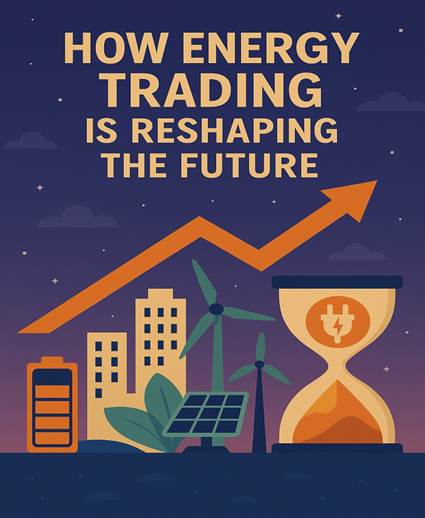
How Energy Trading Is Shaping up the Future
Who Benefits the Most?
- Renewable energy producers –
More pathways to sell power and maximize returns
- Large-scale consumers –
Better price visibility and real-time purchasing control
- Retailers –
Can optimize buying schedules to reduce procurement costs
- Households –
Participate via aggregators and receive real-time usage feedback
Shortcoming to Watch
While promising, energy trading in Australia also faces hurdles:
- Price hikes especially as the demand surges
- Technical complexity for non-commercial participants
- Cybersecurity concerns on distributed platforms
- Need for strong regulations and governanceframeworks
But with strategic policy design and enhanced digital literacy, such systems could reshape the way electricity is used and traded in Australia.
FAQs on Energy Trading Australia
1.What is the importance of AEMO in Australia’s energy trading?
The AEMO (Australian Energy Market Operator)manages the NEM and streamlines real-time trade, making sure of system reliability, market fairness, and price transparency.
2. Can households take part in energy trading?
Yes, of course! Through VPPs, aggregators, or innovative retailers, households can easily sell excessive solar energy or minimize consumption to get credits.
3. How does energy trading differ from conventional electricity buying?
Traditional systems lock in prices through long-term contracts. Energy trading is more dynamic, flexible, and responsive to live energy trade patterns.
Is Australia All Set for a Trade-Powered Energy Future?
Australia’s energy revolution is underway. With the emergence of energy trading platforms, we’re switching to faster, fairer, and smarter energy exchange. Whether you're a solar-powered home or a major consumer, knowing energy trading Australia is paramount to navigating the power landscape of tomorrow.
So, stay updated; stay empowered! Energy isn’t only used – it’s traded.
